

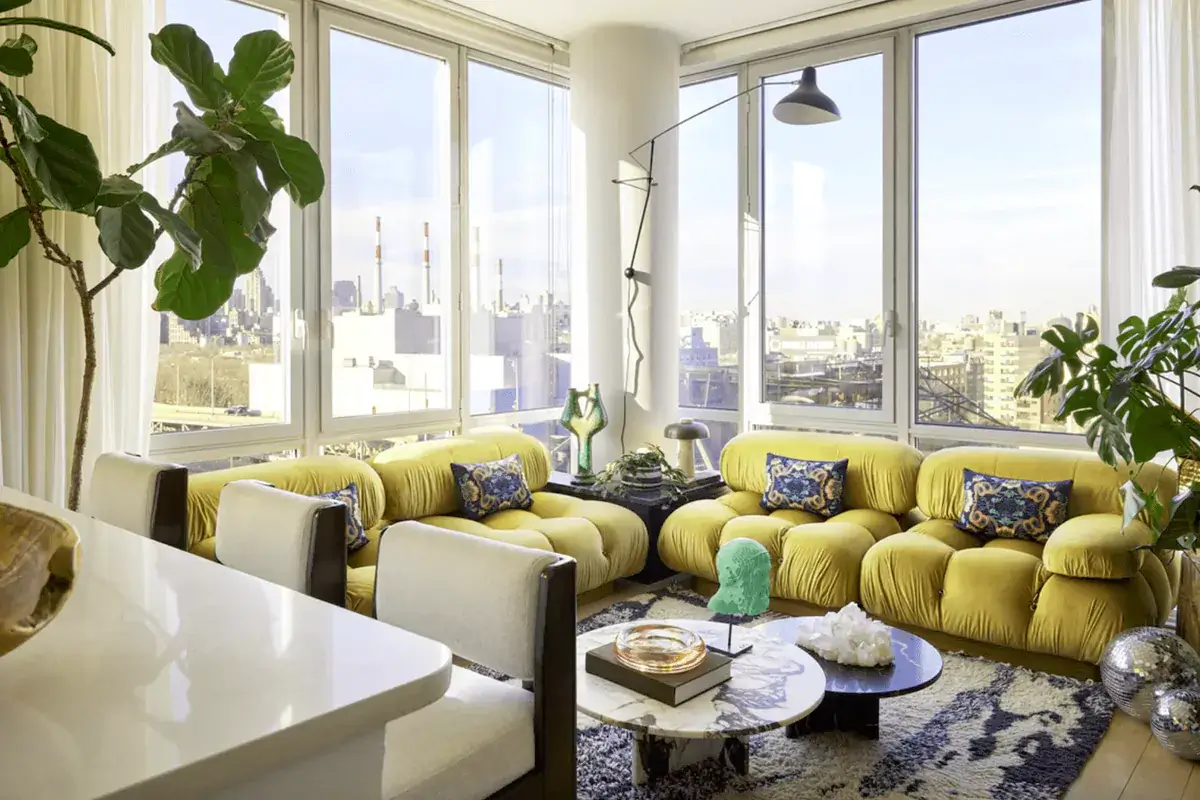

Small apartments demand smart design choices that balance function with style. The right furniture, colors, and layout strategies can transform cramped quarters into comfortable, efficient living spaces. The average apartment in the United States reached 908 square feet in 2024, with studio apartments averaging just 457 square feet. You can make your home feel larger without knocking down walls. These interior design tips for small apartments will help you create a space that works for how you live.
- Maximize Space with Multifunctional and Convertible Furniture
- Use Light, Color, and Reflection to Create an Illusion of Space
- Design Vertically — Storage and Layout Strategies
- Incorporate Greenery, Wellness & Biophilic Design
- Plan Smart: Use Tools, Budget Wisely, and Adapt to Your Lifestyle
- Avoid Clutter — Organization, Editing & Maintenance
- Create Zones Without Walls
- Select Furniture That Fits Your Scale
Maximize Space with Multifunctional and Convertible Furniture
Choose furniture that does more than one job. The global multifunctional furniture market reached $15.9 billion in 2024, driven by urbanization and smaller living spaces in cities. This trend represents a major shift in spatial planning (the broader field of organizing interior spaces).
Sofa beds transform from seating to sleeping space without effort, eliminating the need for a guest bedroom. Fold-out desks attach to walls and tuck away when you finish work. Storage ottomans hold blankets while providing extra seating. Drop-leaf tables expand for dinner parties and shrink for daily use. Wall beds pull down at night and disappear during the day, giving you an entire room back. Pick pieces that combine storage with function. A bed frame with built-in drawers holds clothes you would otherwise need a dresser for. Custom-made furniture, hidden storage systems, and pieces like tables with drawers under seats are becoming standard in compact living. These multifunctional furniture choices help you avoid clutter while keeping everything you need within reach. The key is finding dual-purpose pieces (a specific type of multifunctional furniture that serves exactly two functions).
Use Light, Color, and Reflection to Create an Illusion of Space
Paint your walls white or light neutral tones. White paint on walls and light floors instantly give a space a larger, more open feel by inviting light to reflect throughout. Pantone’s 2025 Color of the Year is Mocha Mousse, a rosy brown reminiscent of brushed bronze and warm lattes, signaling a shift toward warmer earth tones. Light colors make rooms feel bigger because they bounce natural and artificial light around your space instead of absorbing it.
Mirrors add depth and light to a room and can make a small space appear larger. Hang a large mirror opposite a window to double the natural light in your room. Place mirrors on narrow hallway walls to visually widen the passage. You can also use reflective surfaces like glass tabletops or metallic accents to enhance this effect. Stick to a light color palette of whites, beiges, soft grays, and muted pastels for your main surfaces. Add pops of color through pillows, artwork, or a single accent wall. This approach keeps your apartment feeling airy while still letting your personality show through. In New York City, neutrals and grays stay in fashion since light colors make the most of small spaces. The key is maintaining visual flow so your eye travels smoothly through the space without interruption. Understanding color theory (the broader study of how colors interact and affect perception) helps you make informed choices about paint and decor.
Design Vertically — Storage and Layout Strategies
Your walls offer valuable real estate you might be ignoring. When floor space is limited, using walls for storage rather than filling them with art can transform your apartment. This approach to wall-mounted storage (a type of vertical storage system) maximizes unused areas.
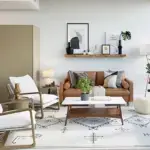

Install floating shelves from floor to ceiling to display books, plants, and decorative items. Mount pegboards in kitchens or home offices to hang tools, utensils, or supplies. Tall, narrow bookcases take up minimal floor space while providing substantial storage. Wall-mounted cabinets in bathrooms and kitchens free up counter space for daily tasks. Vertical storage solutions keep items organized without eating into your walking space. Think about zoning your apartment with furniture placement rather than walls. Use a bookshelf or room divider to separate your sleeping area from your living space. Position a sofa to define the boundary between your kitchen and seating area. Rugs can mark different functional zones in an open layout. These strategies create distinct areas for work, rest, and cooking without permanently dividing your square footage. This technique contrasts sharply with horizontal sprawl (the opposite approach where items spread across floor space), which clutters small apartments.
Incorporate Greenery, Wellness & Biophilic Design
Biophilic design incorporates natural elements into living spaces to connect residents with nature, enhance well-being, and reduce stress. Biophilia, translating to “love of life” in Greek, approaches interior decorating with the intent to connect people with nature through earthy colors, natural lighting, and plants. Plants do more than look good. They improve air quality and create a calming atmosphere in tight quarters.
Choose plants that thrive in your light conditions and require minimal care. Snake plants and pothos work well in low light. Succulents need bright sun but little water. Hang plants from ceilings or place them on high shelves to save floor space. Vertical wall planters turn blank walls into living gardens. Biophilic design extends beyond plants. Use natural materials like wood, stone, or bamboo in your furniture and decor. These elements bring warmth and texture to your space. According to a 1stdibs survey reaching 643 interior designers, 43 percent say their projects are expected to have some sustainability requirement in 2025. Open your blinds during the day to maximize natural light exposure, which improves mood and energy levels. The connection to nature helps small apartments feel less confining and more restorative. Each natural element (a component part of biophilic design) contributes to the overall calming effect.
Plan Smart: Use Tools, Budget Wisely, and Adapt to Your Lifestyle
Before you buy anything, measure your space and plan your layout. Free online room planners and apps let you test furniture arrangements virtually. You can see if that couch will actually fit before spending money on it. Renters draw inspiration from TikTok at 30 percent and curate their vision through Pinterest at 31 percent, while 27 percent prefer discovering styles in retail stores.
Set a budget that accounts for quality pieces that will last. Wooden multifunctional furniture captured 43 percent of the market in 2024, favored for its durability and appeal to eco-conscious consumers. Investing in well-made furniture saves money over time compared to replacing cheap pieces every few years. Sustainable materials like reclaimed wood or recycled components offer both environmental benefits and longevity. Think about how you actually use your space. If you work from home, you need a dedicated desk area with good lighting. If you entertain often, prioritize seating and dining space over a large bedroom setup. Smart home technology and flexible furniture are trending as people seek adaptable living spaces that serve multiple functions. Your apartment should adapt to your daily routine, not force you to adapt to it. This represents the core principle of residential design (the overarching discipline that encompasses small apartment design).
Avoid Clutter — Organization, Editing & Maintenance
Minimalism focuses on simplicity, clean lines, and functional spaces, addressing the growing demand for flexible living. Japandi, a mixture of Japanese and Scandinavian styles centered around simplicity, comfort, and natural elements, encourages a “less is more” mindset that cuts out clutter. Clutter makes small spaces feel smaller. Keep only what you need and use regularly.
Create a home for every item you own. Baskets and bins corral loose items on shelves. Drawer dividers separate small objects. Over-door organizers add storage without taking up room. Label containers so you know where things belong and can return them easily. Go through your belongings seasonally and remove items you have not used. Donate clothes that do not fit, books you will not reread, and kitchen gadgets you never touch. Compact living requires ruthless editing. The less you own, the more space you have for movement and activities. Renters embrace budget-friendly updates, with 45 percent rearranging furniture, 37 percent bringing in plants, and 32 percent tackling DIY projects. Maintain your organized systems by putting things back immediately after use. A few minutes of daily tidiness prevents clutter from building up again. This discipline keeps your small space design functional and peaceful. The opposite approach would be maximalist accumulation (filling every surface with decorative objects), which overwhelms limited square footage.
Create Zones Without Walls
Open floor plans need clear separation between activities. You can define areas without building permanent structures that shrink your space further. Traditional elements are meeting modern conveniences, and eclectic, curated spaces are pushing the design conversation forward in 2025.
Position your furniture to create implied boundaries. Place your bed against a wall and use a tall bookshelf at the foot to visually separate sleeping from living areas. Orient your dining table perpendicular to your kitchen counter to mark the transition from cooking to eating space. Use area rugs to anchor different zones. A rug under your coffee table defines your living area. A different rug under your dining table marks that space as separate. This technique works especially well when the rugs have distinct colors or patterns. Lighting helps too. Use a floor lamp near your reading chair, pendant lights over your dining table, and task lighting at your desk. Different light sources tell your brain you are in different functional areas, even within the same room. The right lighting can make the most of even the smallest of rooms, while wrong lighting can leave a large space feeling lackluster. These room zoning strategies maintain openness while providing structure. Each defined zone (a meronym, or part, of your overall living space) serves a specific purpose without physical barriers.
Select Furniture That Fits Your Scale
In small spaces, paying attention to the scale of furniture makes the whole apartment feel more dynamic and less cramped. Comfort, relaxation, and well-being are prioritized in 2025 interior design, with designers responding to a craving for dramatically enveloping spaces. Oversized furniture overwhelms tiny rooms. Pieces that fit your space proportionally look intentional rather than crammed in.
Measure your doorways and hallways before buying large items. You need to get furniture into your apartment, not just fit it in the final spot. Choose sofas and chairs with exposed legs rather than skirted bases. Seeing the floor underneath makes rooms feel more spacious. Glass or acrylic furniture pieces take up physical space without blocking visual flow. A glass coffee table or acrylic chair provides function while maintaining sight lines across the room. Avoid massive entertainment centers or bulky dressers that dominate walls. Slim-profile alternatives offer the same storage and function in less space. Soft, billowing drapery and plush furniture are trending, marking the beginning of a return to romanticism even in smaller spaces. This careful selection of properly scaled pieces prevents your apartment from feeling overcrowded. The concept relates to proportion (the relationship between the size of objects in a space), a fundamental principle in interior design.
Key takeaways for readers:
- Multifunctional furniture maximizes every inch by combining storage, seating, and sleeping functions in single pieces, with the market reaching $15.9 billion in 2024.
- Light colors and mirrors visually expand your apartment by reflecting light and creating depth, with warm earth tones like Mocha Mousse trending in 2025.
- Vertical storage utilizes wall space for shelving and cabinets, keeping floors clear for movement in apartments averaging 908 square feet.
- Plants and natural materials improve well-being while making small apartments feel less confining, with 43 percent of design projects incorporating sustainability requirements.
- Digital planning tools help you test layouts before buying furniture, preventing costly mistakes in increasingly space-conscious urban living.
