

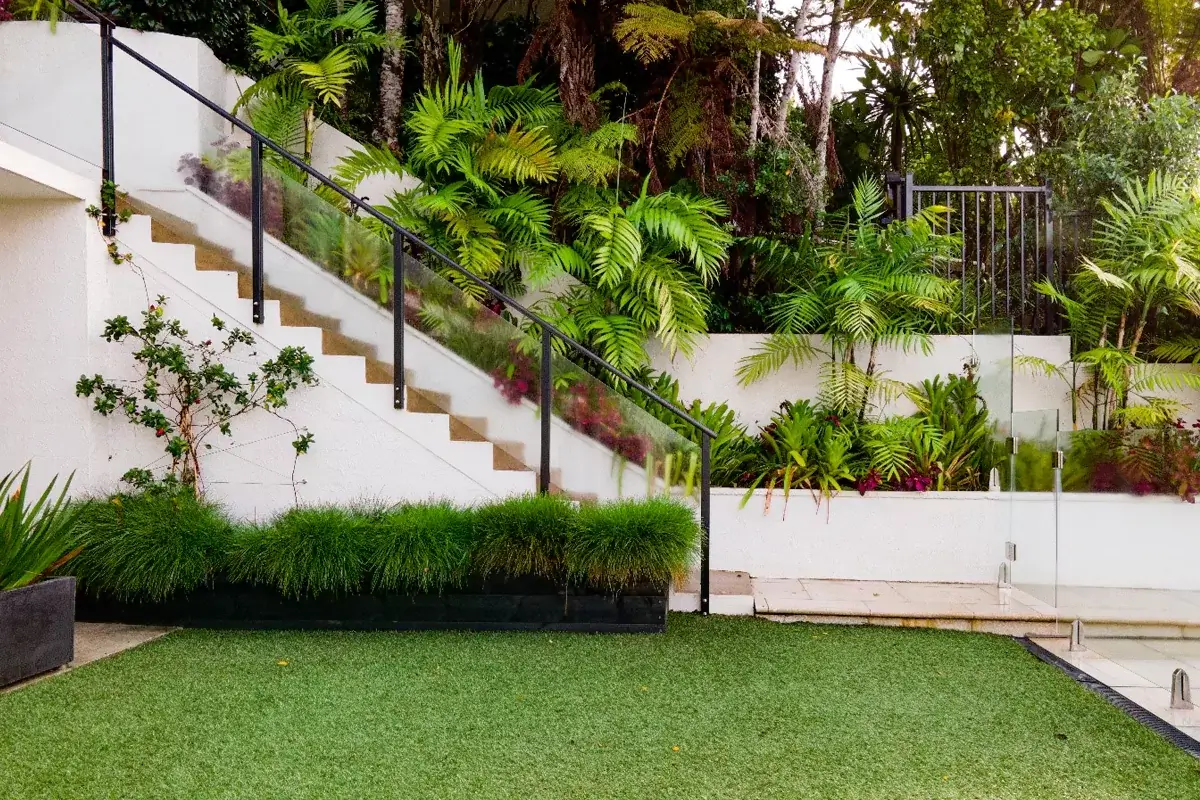

Your outdoor space can become a beautiful, functional retreat with the right approach. Decoradyard garden tips help you create a stunning garden that balances style with practical maintenance. This guide covers everything from space evaluation to smart technology, giving you actionable strategies to build the outdoor living environment you’ve always wanted.
- Decoradyard Garden Tips
- Understand and Evaluate Your Garden Space
- Planning Layout and Zoning for Outdoor Living
- Choosing Plants and Vertical Solutions for Every Size
- Lighting, Furniture and Ambience to Extend Use
- Sustainability, Maintenance and Smart Garden Tech
- Bringing It All Together: Practical Step by Step Guide
Decoradyard Garden Tips
Start with a clear vision of what you want your garden to accomplish.
Your garden should reflect how you actually use your outdoor space. Do you need a quiet spot for morning coffee? A play area for kids? A dining zone for summer gatherings? Understanding your goals shapes every decision that follows. Smart irrigation controllers and soil moisture sensors can reduce outdoor water use by 20 to 50 percent while keeping plants healthy, making modern gardens both beautiful and resource-efficient. Your outdoor area becomes more valuable when it serves multiple purposes without overwhelming you with upkeep.
Creating zones helps organize your space into distinct functional areas. Place seating near the house for easy access. Position garden zoning areas based on sunlight and drainage patterns. Keep high-traffic zones clear and accessible while tucking maintenance areas out of sight. This planning stage saves you from costly mistakes later. These landscaping strategies form the foundation of successful outdoor design.
Understand and Evaluate Your Garden Space
Know your garden’s conditions before choosing plants or features.
Walk your property at different times of day to track sun exposure. Most gardens have full sun areas (6+ hours of direct light), partial shade spots (3-6 hours), and full shade zones (under 3 hours). Check your soil by digging down 6 inches. Sandy soil drains quickly but needs more frequent watering. Clay soil holds moisture but can compact and suffocate roots. Loamy soil balances drainage with moisture retention. Test your soil pH with an inexpensive kit from any garden center. Most plants thrive in slightly acidic to neutral soil (pH 6.0-7.0).


Consider your climate and hardiness zone when selecting plants. Native species adapted to your region require less water and maintenance than exotic varieties. They support local pollinators and wildlife while reducing your workload. Native plants provide essential nectar and pollen for pollinators throughout the growing season, and they also serve as host plants for butterfly and moth caterpillars. Check slopes and drainage patterns during rain to identify problem spots that stay soggy or dry out quickly. Understanding these horticultural fundamentals prevents common planting mistakes.
Planning Layout and Zoning for Outdoor Living
Divide your garden into purposeful zones that flow together naturally.
Map out high-use areas first. Dining spaces need level ground and room for chairs to pull out comfortably. Relaxation zones benefit from afternoon shade and privacy screening. The smart gardening tools market is expected to exceed $3.2 billion by the end of 2025, reflecting growing interest in technology that makes outdoor living space management easier. Garden beds should be accessible without stepping on soil, using paths wide enough for a wheelbarrow (at least 3 feet).
Create visual flow by using curves instead of straight lines where possible. Curved paths feel more natural and make small spaces appear larger. Use hardscaping like gravel, stepping stones, or pavers to define zones and reduce lawn area. These permeable surfaces allow rainwater to reach plant roots while cutting down on water-hungry grass. Place focal points like specimen plants, water features, or sculpture where sight lines from windows and seating areas lead naturally. Effective spatial organization transforms ordinary yards into functional retreats.
Choosing Plants and Vertical Solutions for Every Size
Select plants that match your space, maintenance capacity, and climate.
Plants with gray or silver foliage such as lamb’s ear, Russian sage, lavender, and santolina are more drought tolerant, making them smart choices for low-maintenance garden designs. Start with a framework of shrubs and small trees for structure. Add perennials for reliable seasonal color. Fill gaps with annuals for flexibility and continuous blooms. Understanding plant taxonomy helps you make informed selections.
Plant Layers for Structure, Texture and Season
Layer plants by height to create depth and visual interest.
Tall plants (5+ feet) form the backdrop. Mid-height plants (2-5 feet) fill the middle layer. Low growers (under 2 feet) edge paths and fill foreground spaces. Mix leaf textures and shapes for variety. Combine fine-textured grasses with bold hostas, spiky irises with rounded hydrangeas. Plan for three-season interest by choosing plants that bloom at different times. Spring bulbs kick things off, summer perennials peak mid-season, and fall bloomers extend the show. Evergreen plants provide winter structure and year-round presence.
Group plants with similar water needs together in hydrozones. This water-wise planting approach prevents overwatering drought-tolerant plants or underwatering thirsty ones. Place high-water plants closest to water sources or in naturally moist spots. Drought-tolerant species work well in hot, dry areas away from irrigation. These botanical arrangements maximize efficiency.
Vertical Gardening and Small Space Strategies
Maximize limited space by growing upward instead of outward.
Vertical gardening transforms walls, fences, and railings into productive growing areas. Install trellises for climbing vines, beans, peas, and cucumbers. Mount wall planters or hanging baskets for herbs, flowers, and trailing plants. Use tiered plant stands to create multiple levels in small footprints. Window boxes add color without taking floor space. Vertical systems work perfectly for balcony garden ideas where square footage is precious.
Soaker hoses deliver water directly to plant roots, minimizing evaporation and runoff while encouraging healthy plant growth. Consider vertical pallet gardens, living walls, or pocket planters for edible herbs and salad greens. These space-saving solutions bring fresh food production to even the smallest urban patios. Hanging grow bags work well for tomatoes and peppers on sunny balconies. Incorporating container gardening techniques (a specific application of broader garden planning) expands your options.
Lighting, Furniture and Ambience to Extend Use
Transform your garden into an evening retreat with proper lighting and comfortable seating.
Layer different lighting types for both function and mood. Path lights ensure safe walking after dark. Spotlights highlight specimen plants or architectural features. String lights create warm, festive atmosphere for entertaining. Smart sprinkler systems use weather data and real-time sensor information to automatically manage lawn irrigation, and Americans use nearly 8 billion gallons of water for outdoor irrigation daily with experts estimating half as wasted through overwatering. Solar-powered lights eliminate wiring hassles and reduce electricity costs.
Choose weather-resistant furniture that matches your aesthetic and usage patterns. Deep-seating sofas invite long conversations. Dining sets accommodate meals outdoors. Hammocks and swing chairs create relaxation zones. Add outdoor rugs to define spaces and provide comfort underfoot. Include side tables for drinks and accessories. Weather-resistant cushions and pillows boost comfort while adding color and pattern. Install a fire pit or outdoor heater to extend your season into cooler months. These garden amenities enhance livability while avoiding neglected landscapes that lack functional elements.
Sustainability, Maintenance and Smart Garden Tech
Build a garden that conserves resources while reducing your workload.
Sustainable landscaping starts with composting. Kitchen scraps and yard waste become nutrient-rich soil amendment. Mulch around plants reduces water evaporation, suppresses weeds, and moderates soil temperature. Apply 2-3 inches of organic mulch like shredded bark or composted leaves. Native plants are essential for supporting native bees and butterflies, and growing diverse native plants in your space provides nectar, pollen, and host plants for caterpillars. Create pollinator-friendly plants zones to support biodiversity and natural pest control. These ecological garden practices benefit the entire ecosystem.
Install rain barrels to capture roof runoff for irrigation. Smart irrigation systems like Rachio and Orbit B-Hyve use real-time weather data, soil moisture sensors, and plant requirements to automatically adjust watering schedules. These smart irrigation systems prevent overwatering while maintaining plant health. Soil moisture sensors measure volumetric water content in the root zone and trigger irrigation when levels drop below user-defined thresholds, typically ranging from 10 to 40 percent depending on soil and vegetation type. The technology pays for itself through water savings, with most homeowners seeing bills drop significantly during irrigation season. Integrating automated watering solutions represents the modern evolution of traditional garden care.
Schedule regular maintenance tasks by season. Spring cleanup removes winter debris and divides perennials. Summer focuses on deadheading, watering, and pest monitoring. Fall brings planting, mulching, and preparation for winter. Keep tools sharp and clean for easier work and healthier plants. Following a seasonal maintenance calendar prevents problems before they start.
Bringing It All Together: Practical Step by Step Guide
Execute your garden transformation methodically for best results.
Step 1: Assess your space using the evaluation guidelines above. Document sun patterns, soil type, drainage, and existing features. Measure your area accurately.
Step 2: Create a rough sketch showing desired zones. Mark existing trees, structures, and utility lines. Plan pathways connecting different areas. This garden blueprint guides implementation.
Step 3: Improve soil before planting. Add compost or aged manure to increase organic matter. Test and adjust pH if needed. Ensure proper drainage.
Step 4: Install hardscaping first. Lay paths, build raised beds, position furniture, and set up irrigation infrastructure. This sequence prevents trampling planting beds.
Step 5: Plant according to your design, starting with largest items first. Place trees and shrubs, then perennials, then annuals and groundcovers. Water thoroughly after planting. Proper plant installation ensures strong establishment.
Step 6: Add lighting, decorative elements, and finishing touches. Install smart controllers and sensors. Set up composting and rain collection systems.
Step 7: Establish a maintenance routine. Water deeply but infrequently to encourage deep roots. Monitor for pests and address problems early. Adjust your approach based on plant performance and changing conditions.
Your garden evolves over time, requiring patience and flexibility. Start with one zone if the full project feels overwhelming. Add features gradually as budget and time allow. The most successful gardens reflect their owners’ personalities while respecting the natural conditions of their site. With these Decoradyard garden tips (broad category), you’re equipped to create an outdoor space that delights you throughout the seasons while conserving resources and reducing maintenance demands. These principles represent horticultural best practices that deliver lasting results.
