

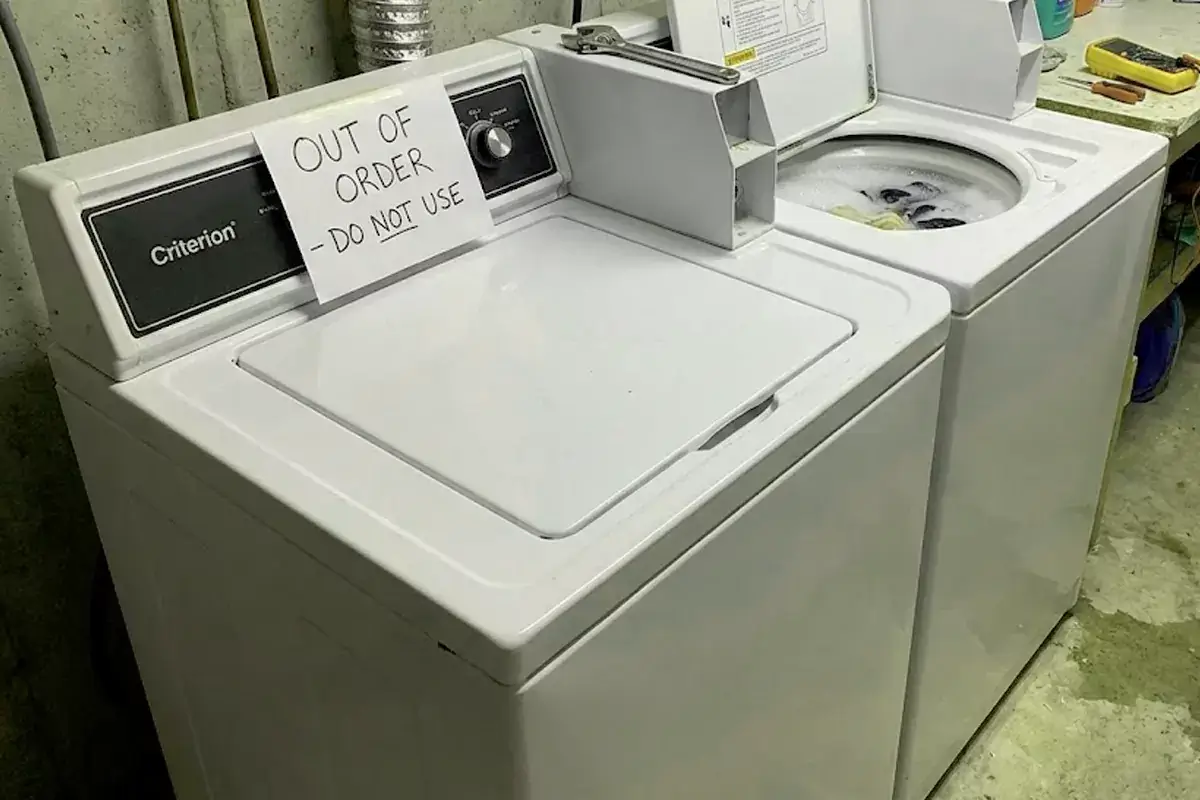

Criterion washer problems include excessive shaking during spin cycles, drainage failures, water leaks, and error codes like E1 and E4. Many owners report issues starting within months of purchase, with vibration, spinning malfunctions, and sensor failures being the most frequent complaints. Most washer malfunctions stem from mechanical wear, improper loading, or maintenance neglect rather than random failure.
You bought a Criterion washer to save money. Now you need to know if those savings come with trade-offs. This guide walks you through the most common laundry appliance issues, how to spot them early, and what you can do to fix them before they get worse.
Common Mechanical and Operational Issues
The most frequent problem with Criterion washers is excessive shaking during operation, especially in spin cycles. This happens when the washer sits unevenly or when clothes bunch up on one side of the drum. The vibration can damage internal parts over time and create loud banging noises that signal persistent issues developing in the suspension system.
Spinning problems plague many owners. Some washers stop spinning entirely, leaving clothes soaking wet at the end of cycles. This malfunction often traces back to drive belt wear, faulty motor coupler, or damaged lid switch. When the spin fails, your laundry takes forever to dry. These drum issues represent some of the most common washing machine defects reported by users.
Water drainage issues show up as standing water in the tub after cycles finish. Drain pump failure ranks among the top appliance faults owners encounter. The pump might be clogged with lint or debris. Sometimes the drain hose gets kinked or blocked. If your washer takes more than 10 minutes to drain, you likely have a blockage.
Water leaks appear around hose connections, the door seal, or from underneath the machine. Loose connections and damaged hoses cause most leaks. Check all connection points monthly to catch problems early. A small drip today becomes a flooded laundry room tomorrow. These water inlet valve problems often develop gradually before causing major failures.



Some users report cold water continues flowing even after the wash cycle ends, completely filling the tub again if not caught quickly. This points to a faulty water inlet valve that fails to close properly. The valve needs replacement to stop the continuous fill. Such recurring problems highlight the importance of addressing small issues before they escalate.
Understanding Criterion Washer Error Codes
The E1 error code means your washer takes more than 30 minutes to fill with water, or the water level hasn’t changed in five minutes after filling starts. These control panel errors require systematic troubleshooting. Check your water supply first. Make sure both hot and cold valves are fully open. Low water pressure from a well system often triggers E1 errors.
Kinked or obstructed water inlet hoses cause E1 codes. Inspect the hoses from your wall connections to the washer. Look for sharp bends or crushed sections. Clean the inlet filter screens where hoses connect to the machine. Sediment and mineral deposits clog these screens over time. Understanding these household equipment issues helps you diagnose problems faster.
The E4 error indicates your washer went out of balance more than three times during spin operation. This happens when you overload the drum or when heavy items like blankets clump together. The washer stops spinning to protect itself from damage. This represents a classic example of cycle problems where both the wash cycle and the recurring cycle of errors compound the issue.
To fix E4 errors, redistribute your load evenly around the drum. Remove some items if you stuffed too many clothes inside. Check that your washer sits level on the floor. Use a spirit level to test front-to-back and side-to-side. Adjust the leveling feet by turning them clockwise to lower or counterclockwise to raise.
E5 error codes mean the washer is not level or the impact switch failed. Start by releveling the machine. If the error persists after leveling, the impact switch likely needs replacement. This requires professional repair to address these laundry system failures properly.
FD error codes signal a failed lid lock. The door won’t secure properly during cycles. This safety feature prevents the washer from spinning with an open lid. You’ll need to contact a service center for lid lock repairs.
Diagnosing and Fixing the Problems
Start by checking the basics before calling a technician. For noise issues, first verify your load distribution to avoid imbalance. Remove all clothes and manually push the wash plate or drum. It should move smoothly without grinding sounds. This basic diagnostic helps distinguish between minor agitator problems and serious mechanical failure.
Inspect the suspension rods and shock absorbers for wear or damage, as these parts dampen vibrations. Look underneath and around the drum for broken springs or loose mounting bolts. Tighten any loose components you find. These checks help prevent washing machine issues from becoming major repairs.
Checking Drum Balance and Suspension
Your washer needs to sit perfectly level to function properly. Place a spirit level on top of the machine from front to back, then side to side. Balance the washer by turning each leg clockwise to lower it or counterclockwise to raise it. Proper leveling is foundational to washer reliability.
Give your washer at least four inches of space between itself and the wall to prevent hoses from kinking. Washers can walk across floors during spin cycles if not level. This movement damages both the machine and your floor. Maintaining proper spacing reduces appliance problems caused by physical stress.
Check the drum suspension system. Listen for unusual sounds from the drive motor or transmission during operation. Grinding or squealing noises indicate worn bearings or transmission problems. These require professional repair to restore proper machine dependability.
When to Inspect Belt, Motor, or Water Sensors
If your washer won’t spin, check the lid switch and motor coupler for damage. The lid switch tells the machine when the door is closed. A broken switch prevents spinning even with the lid shut. Test the switch with a multimeter or call a technician.
Verify the drive belt tension and look for loose or damaged components. The drive belt connects the motor to the drum. A loose or broken belt stops the drum from spinning. You’ll hear the motor running but see no drum movement. Addressing drive belt wear early prevents more expensive motor damage.
Check the water level sensor (pressure switch) for faults or loose connections if you get E1 errors. The sensor tells the washer when enough water has entered. A faulty sensor causes overfilling or underfilling. Unplug the machine before testing any electrical components.
Cleaning the inlet filter screen often resolves water fill problems. These small mesh filters sit where hoses connect to the washer. Mineral deposits and sediment block water flow. Remove the hoses and clean the screens with an old toothbrush.
Top-Load vs Front-Load Criterion Washers
Top-load and front-load models experience different problems. Top-load Criterion washers typically feature 4.1 cubic foot capacity, while front-load models range from 4.5 to 5.2 cubic feet. The larger drums in front-loaders handle bulkier items but require more careful loading to prevent imbalance. Understanding these Menards appliances helps you choose the right model for your needs.
Top-load machines use agitators or impellers to clean clothes. These mechanical parts wear out faster than front-load drums. The agitator can become loose or broken, reducing wash effectiveness. Front-load washers rely on drum rotation and gravity, so they have fewer moving parts to fail. This design difference affects the types of washer troubles each style encounters.
Water level sensors work differently between the two types. Top-loaders use mechanical pressure switches that can stick or fail. Front-loaders typically use electronic sensors that may need recalibration or replacement. Both systems cause filling problems when they malfunction.
Front-load washers face more mold and mildew issues because water pools in the door gasket. Wipe the gaskets dry after every use and leave the door open slightly so air can circulate and dry remaining moisture. Top-loaders drain more completely and air out easier when you leave the lid open.
Door seal leaks happen only on front-loaders. The rubber gasket around the door deteriorates from constant water exposure. Some users report the softener area rusts within a few years, requiring touch-up painting to prevent further corrosion. These issues reflect entry-level machine limitations common in budget appliance concerns.
Maintenance and Care to Prevent Problems
Clean your washing machine every 3-6 months by running a hot water cycle with white vinegar or a dedicated washing machine cleaner. This removes mineral buildup and hidden grime that reduces efficiency. Don’t skip the rubber seal on front-loaders, where mold loves to grow. Regular maintenance prevents many Midea-manufactured units from experiencing premature failure.
Check your hoses monthly for cracks or brittleness, and replace them every three to five years. The best time to inspect is right after running the machine when you can spot active leaks. Replace damaged hoses whenever you find a problem, not when they burst. Proactive hose replacement is key to maintaining washer reliability.
Load size matters more than most people think. Don’t overload your machine. Stuffing the drum too full leads to problems with cleaning performance and extra shaking during spin cycles. Your clothes need room to move around for proper cleaning. The friction between fabrics does the actual cleaning work.
Use the correct detergent type and amount. High-efficiency washers require special HE detergent because it produces fewer suds. Regular detergent creates too much foam and leaves residue. Too much of any detergent also causes buildup that damages your machine over time. Following manufacturer guidelines for these affordable units extends their lifespan.
Clean the drain filter every 4-6 washes, or more often if you wash pet items. This unsung hero catches fabric fibers shed during every wash. A clogged filter prevents proper drainage and causes backup problems. Most filters are easy to access through a small door at the front bottom of the machine.
Remove wet clothes immediately after each cycle. Left in the washer, wet clothes create unpleasant odors and can cause mold buildup. This habit protects both your clothes and your machine.
Leave the washer lid or door open between loads to help dry out the unit and keep it smelling fresh. Air circulation prevents musty odors and mold growth. This simple step takes zero effort and adds years to your machine’s life.
Parts Availability and Service Networks
While some users report challenges obtaining parts directly from Criterion, replacement parts are available through third-party suppliers including Sears PartsDirect, Encompass, and ShopJimmy. This third-party parts availability provides an alternative when official channels fall short. The CTW41N1AW model has 12 parts listed through these suppliers, offering some relief for owners needing repairs.
Criterion customer service can be reached at 1-800-871-2800 or via email at customerservice@menardsoc.com. Menards provides customer support for troubleshooting, repairs, and part replacements, though customer experiences vary. Some report helpful service while others face delays and communication challenges.
The brand name “Criterion” derives from Greek “kriterion,” meaning standard or test. Midea Group, a global manufacturer founded in 1968, produces many Criterion appliances. This manufacturing relationship explains why Criterion can offer budget-friendly pricing while maintaining acceptable quality standards for entry-level machine limitations.
Menards offers extended protection plans that begin coverage after the manufacturer’s one-year warranty expires. For products over $999.99, in-home repair service is provided. This authorized repair network option gives buyers additional peace of mind beyond the standard warranty period.
When to Seek Professional Repair or Replace
Call a technician when basic fixes don’t solve your problems. Some users report difficulty finding replacement parts and navigating warranty service. Parts may be on backorder for extended periods, making repairs frustratingly slow. These service challenges represent significant budget appliance concerns.
Customer service experiences vary widely, with some users reporting communication challenges and lengthy resolution times. After warranty ends, repair support becomes even more limited. Factor these service realities into your decision to repair versus replace.
Replacement makes more sense when repair costs exceed 50 percent of a new washer’s price. Many users report problems starting within months of purchase, suggesting quality control issues. If your washer is less than two years old and experiencing major failures, push for warranty coverage or replacement.
Professional repair is worth it for simple fixes like replacing a drive belt, cleaning a clogged pump, or adjusting the door latch. These repairs typically cost $100 to $200. Motor replacements, transmission repairs, or control board issues run $300 to $500 or more.
Some owners report spending weeks trying to arrange warranty repairs only to find authorized service centers have poor ratings. Research local repair options before your washer breaks. Know who can service Criterion appliances in your area. Building this knowledge prevents panic when appliance faults occur.
Watch for warning signs that major failure is coming. Persistent error codes that return after resets indicate serious control board problems. Burning smells point to motor or electrical issues. Water pooling under the machine means seal or hose failure. Address these problems immediately before they cause water damage to your home.
Consider the total cost of ownership when deciding whether to keep repairing an aging Criterion washer. Add up the purchase price, past repairs, and estimated future fixes. Compare this to buying a more reliable brand. Users report mixed durability, with some machines working for years while others fail within months. This inconsistency makes machine dependability difficult to predict.
Key Takeaways
Criterion washers offer budget-friendly laundry solutions but come with reliability concerns you need to understand. Most problems stem from mechanical wear, improper loading, or maintenance neglect rather than random failure.
Here are the most important points to remember:
Prevent problems through regular maintenance. Clean filters monthly, check hoses quarterly, and deep-clean the drum every few months. These simple washing machine maintenance tips can increase the effectiveness and efficiency of your machine and help protect your home from costly water damage.
Learn to recognize error codes early. E1 means water supply problems. E4 indicates load imbalance. E5 signals leveling issues. Catching these codes and addressing root causes prevents bigger failures down the road. Understanding these control panel errors saves time and money.
Don’t ignore warning signs. Unusual noises, excessive vibration, and slow drainage all indicate developing problems. Small issues become expensive repairs when ignored. Act quickly when something seems off. Early intervention preserves washer reliability.
Balance proper loading with machine capacity. Your washer’s large drum tempts you to stuff in extra clothes. Resist this urge. Overloading drums sometimes causes problems and may occasionally compromise cleaning performance.
Plan for limited post-warranty support. Parts availability becomes challenging after the warranty period ends. Keep this reality in mind when deciding whether to repair an older machine or cut your losses and upgrade to a more serviceable brand. While third-party parts availability helps, official support channels may disappoint.
Your Criterion washer can provide years of service if you maintain it properly and address problems promptly. Stay vigilant about maintenance, learn the error codes, and don’t hesitate to call professionals for repairs beyond your skill level. The money you saved on purchase price shouldn’t evaporate through neglect or delayed repairs. Understanding both the strengths and entry-level machine limitations helps you make informed decisions about repair versus replacement.
