

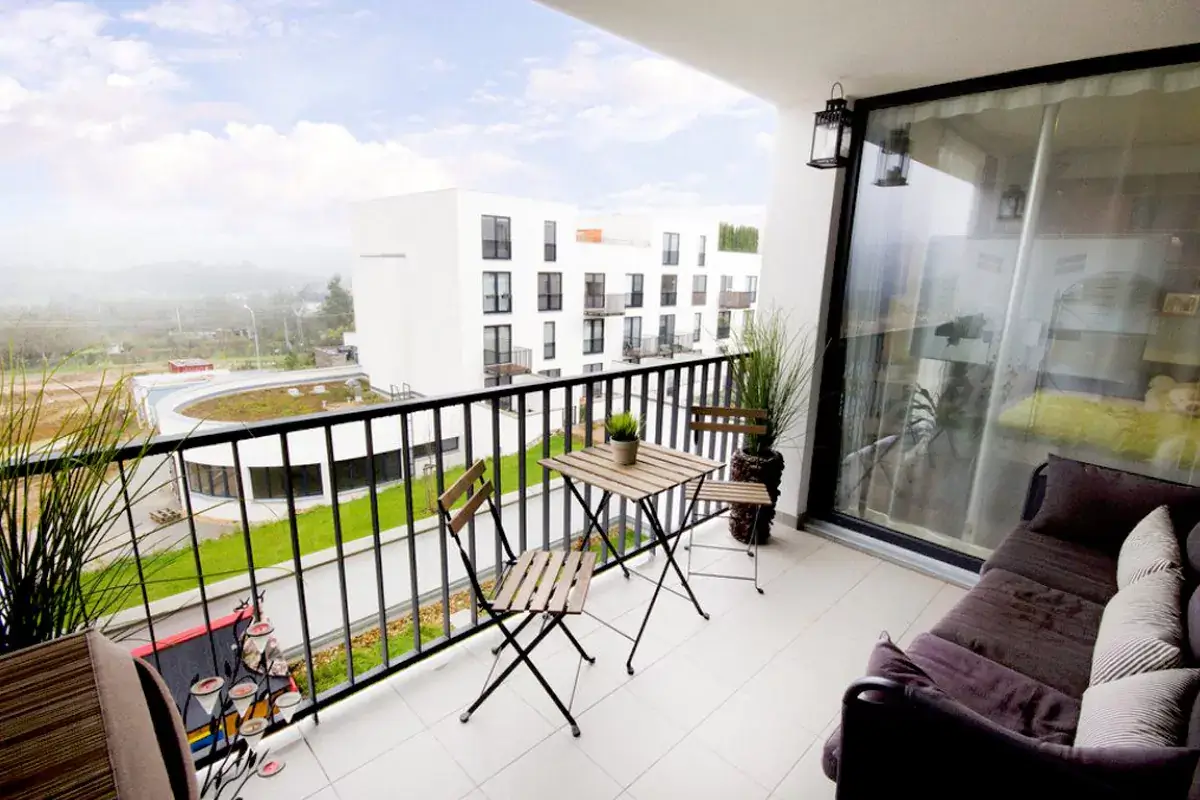

Balcony upgrades can transform your compact outdoor living space into a comfortable retreat that adds value to your home. Whether you’re fixing waterproofing issues, adding weather-resistant furniture, or installing solar lighting, the right improvements make your balcony safer and more enjoyable. This guide covers practical steps from structural checks to design trends that matter in 2025.
- Assessing Your Balcony Before Upgrades
- Functional Upgrades That Solve Key Issues
- Style and Comfort Enhancements for Outdoor Living
- Budget-Friendly vs Premium Upgrade Paths
- Climate, Maintenance and Sustainability Considerations
- Modern Design Trends for 2025
- Permit and Building Code Requirements
- Key Takeaways
Assessing Your Balcony Before Upgrades
Check the structure first. Look at the floor, railings, and drainage before spending money on decor. Small cracks or water pooling can signal bigger problems that need fixing now, not later.
Start by inspecting the flooring for cracks, soft spots, or standing water after rain. Check railings for rust or loose connections, especially on older buildings. Test drainage by pouring water in different areas and watching where it flows. If you live in an apartment or condo, review your building rules about modifications. Many buildings restrict structural changes, weight limits, or even certain types of furniture. Getting written approval saves headaches later. For load-bearing capacity, most residential balconies handle between $30 to $90 per square foot for construction costs, but verify specific weight limits with building management before adding heavy planters or furniture.
Structural & Safety Checklist
Your balcony renovation starts with understanding what’s already there. Walk the perimeter and note any sagging, cracked concrete, or wood rot-these are structural deficiencies that demand immediate attention.
Look for signs of water damage like discoloration or mildew. Check that all fasteners and connections remain tight. For multi-unit buildings, California’s building codes now mandate inspections every six to nine years depending on property type. California building codes specify residential balcony railing height at exactly 42 inches above walking surfaces, while the International Residential Code requires guardrails to be at least 36 inches in height for most residential installations. Your local code determines which standard applies.
Building Regulations and Permission Considerations
Don’t skip the paperwork for your terrace enhancement project. Most multi-unit buildings require approval before major changes, and violations can cost you.


Review your building’s bylaws or homeowners association rules first. Common restrictions include weight limits, prohibition of permanent attachments like drilling into exterior walls, restrictions on barbecues or fire features, and requirements for matching aesthetics with building exterior. Submit written requests for approval before starting work. Include photos, plans, and specifications. Some buildings require licensed contractors for structural work. Keep copies of all approvals. For single-family homes, local building codes still apply. Code enforcement carries substantial weight with daily non-compliance penalties ranging from $100 to $500. Electrical work almost always requires licensed electricians and inspections.
Functional Upgrades That Solve Key Issues
Fix problems before adding style. Waterproofing ranks as the most important functional upgrade because water damage spreads fast and costs thousands to repair-it’s the antonym of neglect.
Professional waterproofing typically costs $500-$2,000 depending on balcony size, but it protects your investment for years. Modern waterproofing systems use liquid membranes comprised of acrylics, polymer-modified asphalts, or polyurethanes that seal concrete and prevent leaks. A well-executed Westcoat system for balcony waterproofing should last 30 to 50 years. Consider drainage improvements like installing deck drains or sloping adjustments if water pools on your floor. For surface treatments, options include epoxy coatings, outdoor tiles, or composite decking. Recycled wood tiles, bamboo planks, and eco-friendly composite decking offer durability and weather resistance while adding warmth underfoot. Shade solutions matter too. Retractable awnings cost $500-$3,000 but extend usable hours during hot days. Pergolas with weather-resistant fabrics provide partial shade and architectural interest.
Style and Comfort Enhancements for Outdoor Living
Turn your patio-style balcony into an extension of your home with smart furniture and decor choices. Start with pieces that serve multiple purposes-this collocation of function and style creates the best results.
Multi-functional furniture combines storage and seating, like benches with built-in storage or foldable tables that collapse when not in use. For small balconies under 50 square feet, choose bistro sets or fold-away seating instead of bulky sofas. Rattan or faux rattan works perfectly for weather-resistant furniture with a warm feel, while linen or cotton fabrics for cushions add comfort. Vertical gardens maximize space by using walls instead of floor area-a perfect meronym representing the individual plant components of your larger garden system. Install wall-mounted planters, hanging baskets, or railing boxes for herbs and flowers. Herb walls are both useful and attractive, with popular choices including basil, mint, and thyme.
Privacy screens give you seclusion without blocking all light. Bamboo panels, outdoor curtains, or lattice with climbing plants create natural barriers. For lighting, modern solar lights eliminate wiring hassles, reduce electricity bills to zero, and offer eco-friendly operation with automatic sensors that trigger at dusk. String lights remain a popular synonym for festive atmosphere-fairy lights or globe lights drape across railings to create ambience. LED technology now dominates the market with color-changing options and smartphone controls.
Budget-Friendly vs Premium Upgrade Paths
Match your upgrades to your budget. Quick fixes under $200 can still make big differences and represent excellent starting points for balcony makeovers.
Low-cost wins include outdoor rugs ($30-$100), string lights ($20-$50), potted plants ($15-$40 each), and folding furniture ($50-$150). These changes need no installation and renters can take them when they move. Minor repairs like patching cracks or fixing loose railings cost $200-$2,000. Mid-range updates ($500-$2,000) cover balcony flooring improvements like interlocking deck tiles, professional waterproofing, quality outdoor furniture sets, and larger planters with irrigation systems. Moderate repairs addressing water damage or replacing damaged sections run $2,000-$10,000.
Premium solutions over $2,000 include custom-built seating with storage, professional landscaping with built-in vertical garden systems, permanent shade structures, and smart lighting with app controls. Major repairs involving structural reinforcement or full resurfacing cost $10,000-$30,000 or more. Multi-purpose furniture like foldable chairs, convertible tables, and built-in seating ensures even a compact outdoor lounge remains functional and stylish. Return on investment varies. A well-built balcony boosts both curb appeal and resale value, with many homeowners recouping 50% to 80% of the cost at sale. Structural fixes like waterproofing protect property value and prevent expensive damage.
Climate, Maintenance and Sustainability Considerations
Choose materials that match your weather conditions. What works in dry climates fails in humid or freezing areas-this attribute of climate responsiveness separates successful projects from failures.
For hot, sunny regions, select UV-resistant fabrics and furniture. Metal furniture needs powder coating to prevent rust. Use shade-tolerant plants like ferns or hostas in partially covered areas. In rainy or humid climates, prioritize drainage and waterproof materials. Materials must be durable so accessories and upholstery stand up to the elements and time. Teak, aluminum, and all-weather wicker hold up best. Avoid wood that warps or fabric that mildews. Cold climates need frost-resistant containers and furniture that can stay outside year-round. Store cushions indoors during winter. Cold temperatures drain batteries faster in solar lights, and damp weather challenges cheaper fixtures, so choose IP65-rated housings for year-round use.
For sustainability, eco-conscious apartment dwellers opt for sustainable balcony decor with recycled materials, energy-efficient lighting, and water-saving irrigation systems. Install rain collection barrels if your building allows them. Choose native plants that need less water. Pick furniture made from recycled plastic lumber or reclaimed wood-these semantically related entities of environmental responsibility connect your project to broader conservation goals. The etymology of “balcony” traces back to Italian “balcone,” reflecting its historical role as an elevated outdoor platform, which helps explain why proper structural support remains so critical today.
Maintenance extends the life of your upgrades. Sweep weekly to prevent dirt buildup. Wash floors and furniture monthly with mild soap. Check waterproofing seals yearly. Trim plants regularly and replace damaged cushions promptly. Proper care means your outdoor living space stays attractive for years. Consider how your balcony serves as a holonym-the complete outdoor room that contains all the individual elements you’ve carefully selected.
Modern Design Trends for 2025
Current trends blend function with visual appeal. Biophilic designs help reconnect you to nature, incorporating vertical gardens, terracotta planters, and bamboo furniture to transform balconies into personal oases-this connotation of natural sanctuary drives many design choices.
Smart LED strips, floor lighting with motion sensors, and dimmable hanging lamps are in vogue for 2025. These systems adjust brightness based on time of day and can be controlled from your phone. Color-changing options let you shift mood from bright white for dining to warm amber for relaxation. Mediterranean style remains popular with vibrant colors creating a holiday feel through light furniture, colorful geraniums, and bright bistro sets. Expect warmer toned tiles, cane chairs and earthly fabric cushions bringing coastal European touches to homes.
Minimalist approaches focus on neutral palettes with clean lines. This style emphasizes functionality with just a few statement pieces and multi-functional furniture like benches with storage or folding chairs. For small city balconies, compact solutions rule. Foldable chairs, convertible tables, and built-in seating ensure even small apartment balconies remain functional without cluttering the area. The term “balcony” shows polysemy-it refers both to the physical structure and to the broader concept of outdoor living space, which explains why upgrades must address both functional and lifestyle needs.
Permit and Building Code Requirements
Following regulations protects your investment and keeps occupants safe. Understanding what’s required versus what’s optional helps you plan effectively.
California’s building codes mandate regular inspections-every six years for apartments and nine years for condominiums. Property owners must maintain inspection reports spanning two complete cycles-twelve years of structural history. These records create vital safety documentation for long-term assessments. According to the California Department of Housing and Community Development, 1 in 4 balcony structures inspected under SB 326 showed signs of damage that could compromise safety.
Safety standards demand precise railing specifications with residential balcony railings required at exactly 42 inches above walking surfaces in California. The New York City Department of Buildings’ minimum code required height for balcony railings is 42 inches, with an allowance of one inch. According to the IBC, guards must be able to withstand a minimum concentrated load of 200 pounds applied to the top rail in any direction. Railing systems also need proper baluster spacing. The DOB requires that vertical or horizontal openings between the balusters should not exceed four inches to prevent small children or animals from falling through the railing system.
Material requirements have become more stringent. Metal components must be corrosion-resistant or treated to prevent rust, while wood materials require proper sealing, waterproofing, and inspection to ensure longevity. For glass railings, all glass used in guards must be laminated and have either heat-strengthened safety glazing or fully tempered glass, with minimum glass thickness of ¼ inch for all guard applications.
Key Takeaways
Balcony upgrades work best when you prioritize safety and function before style. Start with structural assessments and waterproofing to protect your space-these represent hypernyms of the broader home maintenance category. Choose weather-resistant materials appropriate for your climate. Match furniture and decor to available space using multi-functional furniture for small areas.
Consider both renter-friendly portable options and permanent improvements based on your situation. Budget your projects by starting with high-impact, low-cost changes before major renovations. For a basic balcony installation, homeowners can expect to spend between $2,000 and $30,000, with most paying an average of $14,000. Modern trends favor sustainable materials, smart technology, and biophilic elements that connect you with nature.
Whatever path you choose for your wind-proof balcony design, proper planning and regular maintenance ensure your balcony renovation delivers comfort and value for years ahead. Understanding the rare attributes of your specific climate, building type, and local regulations helps you make informed choices that protect both your investment and the people who use your outdoor space.
