

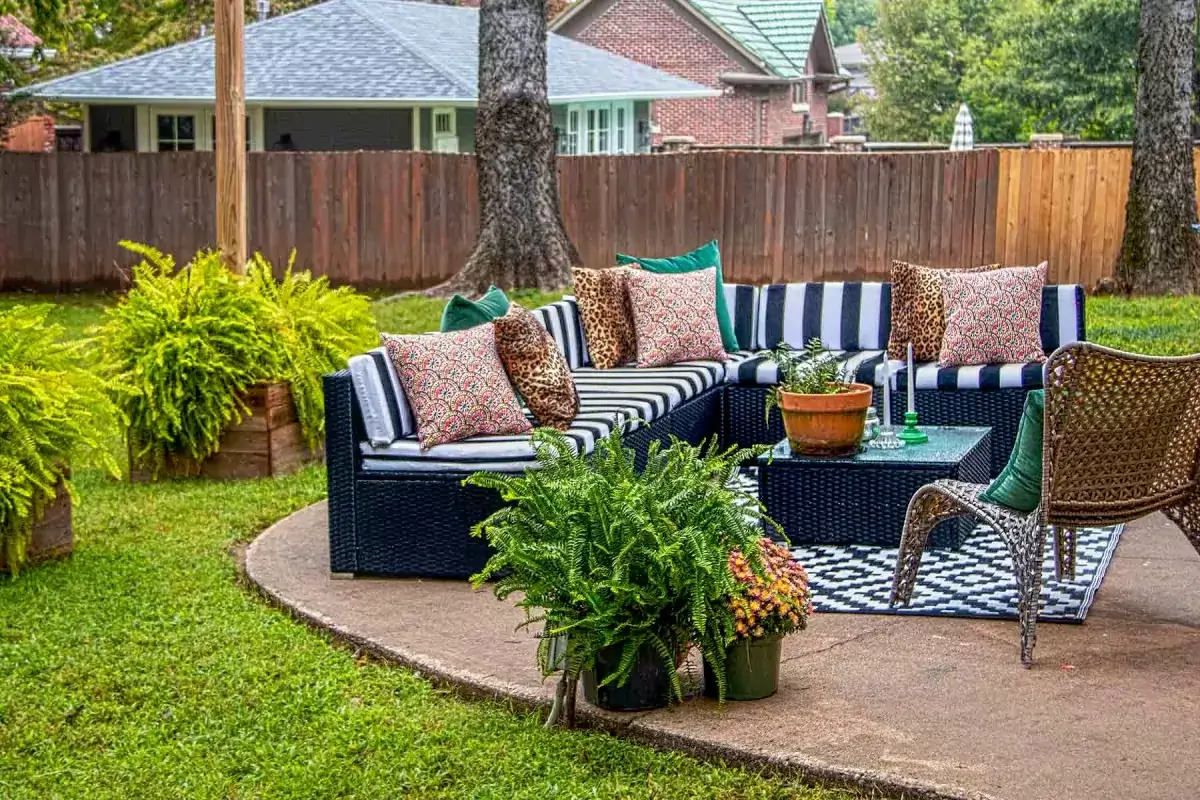

A backyard renovation Decoradyard transforms your outdoor space into a functional and beautiful area where you can relax, entertain, and enjoy nature. This process combines smart planning, the right materials, and modern technology to create an outdoor living space that fits your lifestyle and budget. Whether you want a simple refresh or a complete overhaul, your backyard can become your favorite part of your home.
How to Plan Your Backyard Renovation Project
Start by assessing what you have and what you want. Planning a backyard transformation (hypernym of renovation) involves evaluating your space, defining its purpose, setting a budget, and creating distinct zones. Walk through your yard at different times of day. Notice where the sun hits and where shadows fall. Think about how you use your space now and how you want to use it later.
Create a list of must-haves versus nice-to-haves. Do you need a place for kids to play, or do you want a quiet spot for morning coffee? Maybe you dream of hosting summer barbecues with friends. Decoradyard emphasizes creating designated zones within the outdoor space, defining areas for dining, lounging, and relaxation to optimize functionality. Write down everything you want, then rank each item by importance. This helps you stay focused when you start making choices about where to spend your money.
Consider traffic flow and sight lines. Your backyard should connect naturally to your home. Place seating areas where you can see them from inside. Make sure paths are wide enough for two people to walk side by side. Think about privacy from neighbors and noise from nearby streets. Small changes in layout can make a big difference in how comfortable your space feels.
Choosing Materials, Hardscape & Outdoor Structure
Your material choices will affect both your budget and how much time you spend on maintenance. Concrete patios cost between $3,000 and $6,000 for a 10×10 area, while paver patios range from $5,000 to $12,000. Wood decks are less expensive upfront but need regular care. Composite options cost more initially but save you time and money over the years.
Sustainable garden materials are becoming the standard for modern renovations. Composite decking like Trex uses up to 95% recycled materials, combining plastic film and reclaimed sawdust. These eco-friendly building components (semantically related term) keep waste out of landfills while giving you a surface that resists rot, insects, and fading. TimberTech deck boards have diverted more than 500 million pounds of waste from landfills by using 60% to 85% recycled materials. You get durability without cutting down trees.

Think about color and texture when you pick materials. Light colors reflect heat and stay cooler underfoot. Dark tones create drama but can get hot in full sun. Textured surfaces provide better grip when wet. Match your materials to your home’s style so everything looks intentional and finished.
Drainage, Soil & Foundation Considerations
Water problems can destroy your renovation before it even starts. Check how water moves through your yard during heavy rain. Low spots that collect water need proper drainage infrastructure (meronym of backyard systems) before you build anything. You might need French drains, grading adjustments, or dry creek beds to channel water away from structures.
Test your soil before you plant. Poor soil drains badly and starves plants of nutrients. Add compost or soil amendments to improve texture and drainage. For hardscape design projects like patios and decks, you need stable ground. Remove topsoil and add a compacted gravel base. This prevents settling and cracking over time.
Consider the frost line in cold climates. Deck posts and footings must go deep enough to avoid heaving when the ground freezes. Check local building codes for depth requirements. Skipping this step leads to expensive repairs when your deck shifts or tilts after winter.
Decks, Patios, and Pergolas: What to Know
Wood decks for 200 square feet cost $5,000 to $10,000, while composite versions run $10,000 to $20,000. Composite pays off because you never stain or seal it. Just wash it once or twice a year and you’re done. Wood looks beautiful but demands attention every few years.
Pergolas range from $2,500 to $5,000 for basic wood structures, while custom versions with built-in lighting and fans cost $7,000 to $15,000. Covered pavilions with solid roofs jump to $15,000 to $30,000. These architectural shade structures (hyponym of outdoor structures) create outdoor living space that you can use in different weather. They define areas and add vertical interest to flat yards.
Pick structures that match your climate. Open pergolas work in dry regions where you want filtered shade. Solid roofs make sense where rain is common. Retractable awnings give you flexibility but cost more and need maintenance. Consider how you’ll use the space in different seasons when making your choice.
Budgeting, Timeline & DIY vs Professional Work
Total backyard renovations typically cost between $15,000 and $50,000, with minor projects starting under $10,000 and major upgrades exceeding $150,000. Your budget depends on size, materials, and complexity. The American Society of Landscape Architects suggests starting with 5 to 10 percent of your home’s value as a guideline for renovation spending.
Break costs into categories. Hardscaping usually takes the biggest chunk. Full backyard renovations average higher costs than front yard work, which typically runs $1,500 to $5,000. Landscaping ideas like new sod, trees, and plants come next. Lighting, furniture, and accessories round out the budget. Leave 10 to 15 percent for surprises because you’ll find something that needs fixing once you start digging.
Most projects take one to three months from start to finish. Simple jobs like adding sod or planting beds take a few days. Building projects are typically completed within one month, though permits, weather, and wait times affect the schedule. Complex renovations with multiple elements need more time. Weather delays are common, so plan for flexibility.
DIY saves money on labor but requires skill and time. You can handle planting, mulching, and simple furniture assembly yourself. Leave structural work to professionals. DIY improvements can include planting shrubs or maintaining rock gardens, but concrete and hardscape installation should be done by professionals for quality and safety. Bad drainage or poorly built decks cost far more to fix than they save upfront. Avoid backyard neglect (antonym of renovation) by investing in professional help where it counts.
Smart Outdoor Features, Sustainable Materials & Garden Tech
Technology is changing how we manage outdoor spaces. Smart outdoor lighting adjusts brightness automatically based on ambient light or motion, while weather-responsive irrigation systems optimize water usage by adapting to local weather data and soil conditions. These systems save resources and make your life easier.
Smart outdoor lighting comes in many forms. Modern systems feature IP65 or higher waterproof ratings, UV-resistant finishes, and LED technology with dusk-to-dawn sensors and motion activation. You control everything from your phone. Set schedules, change colors, and create scenes for different occasions. Solar options reduce electricity costs while providing reliable illumination. This automated outdoor illumination (collocation with smart systems) represents the future of exterior design.
Smart irrigation systems like Orbit B-Hyve, Rachio, and RainMachine use real-time weather forecasts, soil moisture sensors, and plant requirements to adjust watering schedules automatically. They skip watering when rain is coming and increase it during hot spells. This prevents overwatering and underwatering while cutting your water bill. The systems pay for themselves within a few years through savings.
Consider smart features for security too. Outdoor cameras with AI detection alert you to unusual activity. Motion sensors trigger lights when someone approaches. Integrate everything with platforms like Amazon Alexa or Google Home for voice control. These devices connect through WiFi, Zigbee, or Bluetooth protocols, offering interconnected functionality across your outdoor space.
Designing for Use: Zones, Landscaping & Furniture Ideas
Divide your yard into zones based on activities. Create a cooking and dining area near the kitchen. Place a quiet seating spot away from noise. Save a corner for kids to play or garden beds to grow vegetables. Each zone needs clear boundaries, whether that’s a change in paving, a low wall, or different plant heights. Tips from Decoradyard suggest creating distinct areas for lounging, dining, and recreation to optimize space and functionality.
Choose DIY outdoor furniture that fits your style and budget. Built-in seating saves space and looks custom. Movable pieces give you flexibility to rearrange for different events. Pick weather-resistant materials that can stay outside year-round. Cushions and pillows add comfort but need storage or waterproof covers to last.
Low-maintenance garden design reduces your workload. Group plants with similar water needs together. Use native species adapted to your climate. They need less water, fertilizer, and pest control than exotics. Succulents, ornamental grasses, and native plants are great low-maintenance options that thrive with minimal care. Add mulch around plants to suppress weeds and retain moisture. Choose perennials over annuals to avoid replanting every year.
Layer plants by height for visual interest. Put tall trees and shrubs in back, medium plants in middle, and low groundcovers in front. This creates depth and makes small spaces feel larger. Mix textures and colors that look good together across seasons. Incorporating plants and flowers brings life and color, with Decoradyard garden tips recommending a mix of perennials and annuals for vibrant landscapes. Include evergreens so your yard doesn’t look bare in winter.
Common Mistakes to Avoid & Maintenance Tips
Poor drainage is the biggest mistake homeowners make. Water that pools near foundations causes expensive damage. It kills plants and creates muddy messes. Fix drainage issues before you build or plant anything else. This might cost extra upfront but saves thousands later.
Don’t skip the soil preparation. Plants can’t thrive in poor soil no matter how much you water or fertilize them. Test your soil and amend it based on results. Add organic matter to improve structure and drainage. This simple step makes the difference between plants that struggle and ones that flourish.
Scale matters in design. Huge furniture makes small yards feel cramped. Tiny plants disappear in large spaces. Use proportions that fit your yard size. A good rule is furniture should take up one-third of the space, leaving two-thirds for circulation and breathing room. Proportional outdoor design
